Fox Patch Embroidery Design Review
As a designer who has spent years testing machine embroidery designs for both personal craft projects and client orders, I know that the difference between a good design and a great one often lies in the details. When I first opened the file for the Fox Patch Embroidery Design, my immediate goal was to see if it held up under the scrutiny of real-world application. This isn't just about how it looks on a screen; it is about how it translates into thread, how it sits on fabric, and whether it adds genuine value to a finished product.
First Impressions: Mood and Visual Personality
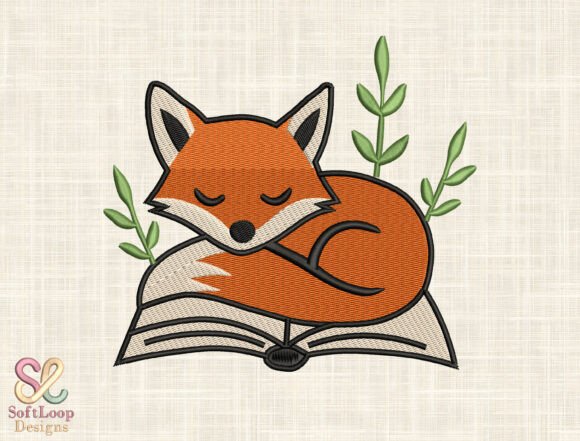
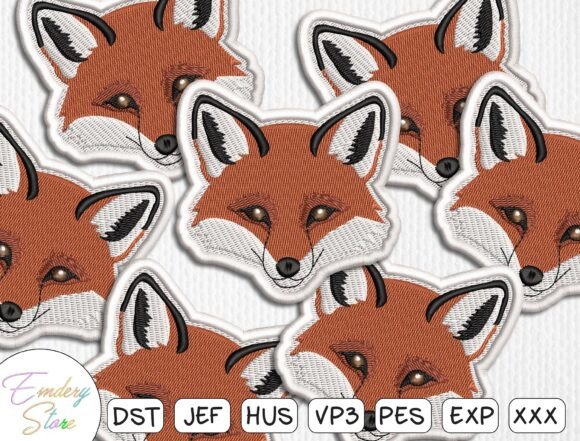
The Fox Patch Embroidery Design immediately conveys a sense of warmth and approachability. The description promises soft stitching details and warm earthy tones, and upon closer inspection of the digital preview, those claims seem accurate. The fox face features expressive eyes that give the character life without being overly complex. In the world of Embroidery, particularly within the Animals category, finding a balance between cuteness and structural integrity is crucial. Too much detail can lead to registration issues, while too little can look flat.
This design strikes a nice middle ground. The layout suggests a focus on shape definition rather than intricate shading, which is a smart choice for a patch-style design. It feels like a piece that would fit perfectly on a cozy autumn sweatshirt or a nursery blanket. The visual personality is friendly and inviting, making it an excellent candidate for personalized gifts or boutique merchandise where the emotional connection with the customer matters as much as the technical execution.
Testing the Design: A Real-World Scenario
To truly evaluate this embroidery file, I imagined preparing a custom embroidered tote bag for a local craft fair. Tote bags are a staple for any craft business, but they present specific challenges due to their texture and the way they are handled. If I were using the Fox Patch Embroidery Design here, I would be looking at how the stitch density holds up against the weave of a canvas bag.
In this scenario, the design's reliance on what appears to be a mix of fill stitch and satin stitch becomes critical. For a tote bag, you want the design to pop without puckering the fabric. The fox's ears and snout, which likely use satin stitches, need to be smooth and even. If the stitch density is too high, the canvas might warp, ruining the drape of the bag. Conversely, if the density is too low, the design might feel flimsy after a few washes. My instinct is that this design leans toward a moderate density, which is ideal for custom apparel and home decor items alike.
Another potential use case is baby embroidery. Parents love animal motifs for onesies and bibs. The soft nature of this fox design makes it suitable for these delicate items, provided the right stabilizer is used. The thread colors mentioned in the description—warm earthy tones—are versatile enough to work with creams, light blues, and sage greens, which are popular choices for nursery decor. This versatility increases the commercial potential for an Etsy seller or small shop owner looking to expand their catalog without buying multiple colorways.
Navigating Fabric Challenges and Technical Considerations
While the Fox Patch Embroidery Design looks promising, every experienced designer knows that not all fabrics behave the same way. There are specific situations where caution is required. For instance, using this design on very thin or stretchy fabric could lead to distortion. The weight of the thread might pull the fabric, causing the fox's features to look misaligned. In such cases, using a heavy-duty tear-away or cut-away stabilizer is non-negotiable.
Similarly, dark fabrics require careful planning. While the design uses warm tones, stitching directly onto black or navy material might make the lighter colors disappear unless the underlay is robust. I would recommend testing the design on a scrap piece of the actual dark fabric first to ensure the contrast is sufficient. If the design relies heavily on a white background fill, the running stitch or fill stitch count needs to be dense enough to completely cover the dark base.
Curved surfaces, such as caps or hats, also demand attention. The topography of a cap can cause stitches to shift. Before committing to a full production run of caps featuring this fox, I would test the design on a curved surface to check for puckering around the edges of the ears and the outline of the face. If the design includes tiny lettering or extremely fine details near the corners, those areas are prone to bunching on a curve. It is always better to err on the side of simplicity when working with difficult shapes.
Impact on Product Value and Brand Consistency
For a small business owner, the choice of design assets directly impacts brand perception. The Fox Patch Embroidery Design offers a level of professionalism that elevates a simple handmade item into a premium product. When customers see clean lines, consistent stitch density, and well-chosen thread colors, they associate that quality with your brand. This builds trust and encourages repeat purchases.
Using a cohesive theme, like this adorable fox, across various products—from pillow covers to kitchen towels—creates a recognizable identity. It helps in creating printable mockups that look authentic and appealing in online listings. A high-quality digital embroidery file ensures that the final output matches the preview, reducing the risk of customer dissatisfaction. In the competitive world of commercial embroidery, consistency is key to standing out.
Practical Designer Notes for Success
- Always test first: Run the Fox Patch Embroidery Design on scrap fabric that matches your final project material. Check for puckering, thread breaks, and color accuracy.
- Check hoop size: Ensure your machine's hoop can accommodate the design dimensions comfortably. If the design is large, consider splitting it or using a larger hoop to prevent tension issues.
- Verify licensing: Before selling finished items or the digital embroidery file itself, confirm the license terms. Some designs are for personal use only, while others allow for limited commercial sales.
- Inspect small details: Zoom in on the eyes and nose of the fox. These are the focal points. If they are too small, they may get lost during stitching or look blurry from a distance.
- Compare backgrounds: Test the design on both light and dark fabrics to see how the thread colors perform in different lighting conditions.
- Use proper stabilizer: Do not skip this step. Whether you are doing applique design elements or standard embroidery, the right backing ensures the longevity of the finished product.
Ultimately, the Fox Patch Embroidery Design presents a strong opportunity for makers looking to add charm to their portfolio. It is not just a pattern; it is a tool for storytelling through thread. By understanding its strengths and limitations, and by applying sound technical practices, you can create beautiful, durable, and marketable items that resonate with customers. Whether you are making a holiday gift or stocking a boutique shelf, this design has the potential to be a standout asset in your collection.