Cute Elephant Patches Embroidery Design Review
As I set up my booth for the upcoming weekend craft fair, the table is a chaotic mix of potential bestsellers and items that need one more tweak to shine. Among the piles of fabric swatches, thread bobbins, and half-finished samples sits the digital file for Cute Elephant Patches Embroidery Design. My job today is to determine if this specific machine embroidery design will translate into a profitable handmade product or if it belongs in the "maybe next season" folder. For any Etsy seller, boutique maker, or creative entrepreneur preparing for a market day, the decision to produce a new item hinges on how well the design performs in the real world, not just on a computer screen.
First Impressions: Charm Meets Market Appeal
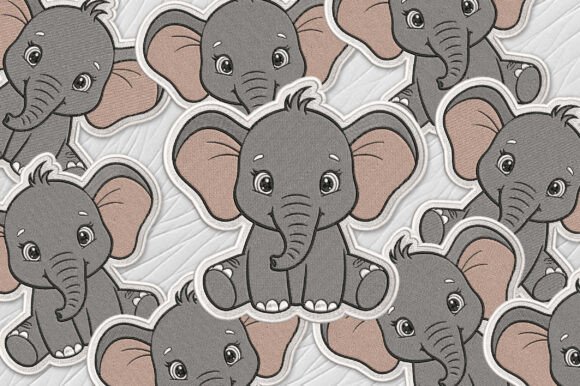
When I first load the Cute Elephant Patches Embroidery Design into my software, the visual impact is immediate. This is not a complex, hyper-realistic animal portrait; it is a stylized, whimsical character defined by big expressive eyes, soft rounded features, and a sweet sitting pose. In the crowded landscape of craft fairs where customers are scanning tables in seconds, this design feels approachable and warm. It leans heavily into the Baby Animals category, which is a perennial favorite for gift buyers looking for something soft and non-threatening.
The aesthetic here is undeniably cute, with a touch of modern minimalism that avoids the clutter often found in older embroidery files. It has that "farmhouse chic" vibe that sells incredibly well on neutral backgrounds, yet it is versatile enough to work with brighter colors. The personality of the elephant shines through without needing excessive detail, making it an excellent candidate for a quick impulse buy. If you are looking for a design that screams "handmade quality" while remaining simple enough for batch production, this file checks the right boxes.
Product Performance: Where Does It Shine?
To truly evaluate this embroidery file, I have to visualize it on actual products. I started by stitching a sample onto a heavy cotton tote bag. The result was stunning. The rounded features of the elephant hold their shape beautifully against the sturdy fabric, making it a standout tote bag design for shoppers who want something unique but not overly loud. The sitting pose creates a balanced composition that looks great centered on the front pocket or lower corner of the bag.
Next, I tested it as an apron embroidery piece. On a linen apron, the design adds a playful touch that appeals to parents and cooking enthusiasts alike. Because the elephant is sitting, it doesn't look awkward when the apron is folded or gathered at the waist. Similarly, for tea towel embroidery, the design works wonders. The soft texture of a terry cloth towel can sometimes hide fine details, but the bold outlines and large eyes of this elephant remain clear and visible even from a distance.
I also considered creating an embroidered patch version. Given the title of the design, this seems like a natural fit. When stitched on felt with a satin border, the patch becomes a durable accessory that can be sewn onto denim jackets, backpacks, or hats. For those selling caps, the curved surface of a baseball cap requires careful attention, but the compact nature of this sitting elephant makes it a viable option for the front panel, provided the hoop size is managed correctly.
Production Practicality for the Busy Maker
For a small shop owner or digital seller, time is money. One of the strongest selling points of Cute Elephant Patches Embroidery Design is its simplicity. It does not appear to have dense stitch areas that would cause puckering or require constant trimming of jump stitches. This means faster run times and less frustration during production runs. If you plan to create a batch of twenty pillow covers or fifty pouches for a market, this design allows for consistent results without the risk of machine errors that plague overly complex files.
However, practicality also involves understanding the limitations. While the design is robust, it is not immune to the challenges of different fabric textures. On very thick fabrics like canvas or denim, the soft rounded features might lose a tiny bit of definition if the stabilizer is insufficient. Conversely, on delicate silks or thin jersey, the density of the fill stitches could overwhelm the material. As an experienced designer, I always advise checking the stitch density settings before committing to a full production run. You may need to adjust the pull compensation slightly depending on your specific machine and fabric choice.
Another critical factor is scalability. This design works well as a focal point, but does it work as a small accent? If you try to shrink it down too much for a small keychain or a hat brim, the big expressive eyes might become muddy blobs rather than distinct features. There is a limit to how small you can go before the charm is lost. For the best results, keep the design within a moderate range—large enough to see the personality, but small enough to fit standard hoop sizes.
Visual Appeal and Customer Engagement
In a physical booth setting, lighting and color contrast are everything. The thread colors you choose for this design will dictate whether it gets noticed. A classic grey elephant on a cream background is timeless, but a pastel pink or mint green elephant on a white tote bag might catch the eye of a younger demographic. The design's versatility allows for brand consistency across a line of products. If your shop focuses on nursery items, this Baby Animals theme fits perfectly alongside other soft, rounded designs.
For online sales, particularly on platforms like Etsy, photography is key. This design photographs exceptionally well because of its clean lines and lack of visual noise. A high-quality printable mockup featuring the elephant on a tote bag or pillow cover can drive significant traffic to your listing. Customers browsing online want to see exactly what the finished product looks like, and the clarity of this machine embroidery design ensures that the digital image matches the reality of the finished product.
Designer Notes: Best Practices for Success
Before you start mass-producing items with Cute Elephant Patches Embroidery Design, there are a few professional steps you cannot skip. First, always test the design on scrap fabric that matches your final product. Check for any shifting or pulling, especially around the ears and trunk. Second, review your spacing. Ensure there is enough room between the elephant and the edge of the fabric to prevent fraying or distortion.
Confirm your hoop size requirements. If the file is designed for a 5x7 hoop, do not attempt to force it into a smaller frame without resizing, as this can distort the proportions. Inspect the stitch density closely; if the fill looks too tight, lighten it up to allow the fabric to breathe. Use the right stabilizer—a cutaway for stretchy knits and a tear-away for stable wovens—to ensure the design lays flat.
Create at least one real mockup to show in your booth or on your website. Nothing sells better than seeing the tactile quality of the embroidery in person. Finally, compare fabric colors to ensure the thread pops. A dark grey elephant on a black bag will disappear, while a bright yellow elephant on navy blue will scream for attention.
Most importantly, confirm your commercial licensing before selling finished products. Just because you bought a digital embroidery file does not automatically mean you can sell the physical items made from it. Always read the terms of use associated with your purchase to protect your business.
Final Verdict for Craft Fair Sellers
Cute Elephant Patches Embroidery Design is a strong contender for any handmade product line targeting families, baby shower gifts, or general home decor. Its blend of charm, simplicity, and versatility makes it a reliable asset for both novice and experienced crafters. Whether you are producing a single custom order or a large batch of craft fair product inventory, this design offers the visual appeal and production ease needed to succeed. By paying attention to fabric choices, thread contrast, and proper stabilization, you can turn this adorable digital file into a tangible, sellable masterpiece that stands out in a crowded market.