Coffee Bag Embroidery Pattern DST PES Review for Craft Fair Sellers
As an embroidery designer preparing for a weekend craft fair, I always look for machine embroidery designs that stand out, sell well, and are practical to produce in batches. The Coffee Bag Embroidery Pattern DST PES caught my eye right away. It promises to appeal to coffee lovers and fits well into kitchen decor, tote bags, and gift items—perfect for a handmade market booth.
First Impressions: Classic, Cute, and Commercial
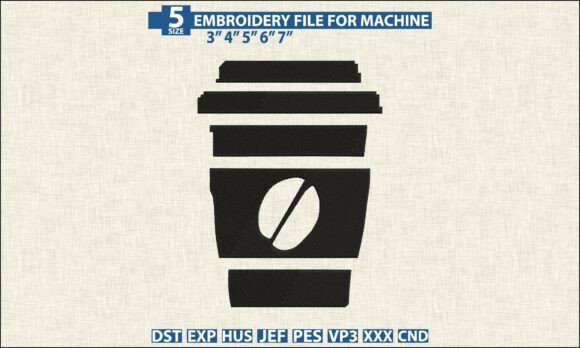
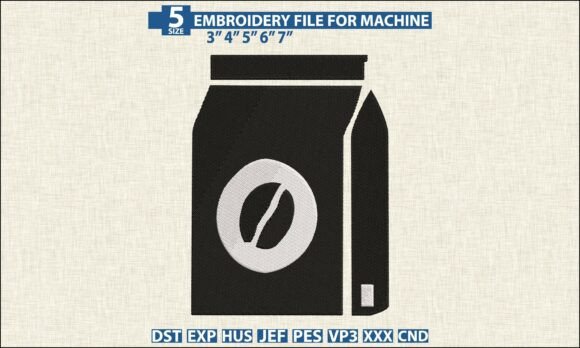
The design immediately gives off a cute, farmhouse-style vibe. It’s not overly bold or minimalist, but rather a decorative, approachable design that feels premium without being too fussy. The mention of a classic coffee pouch with a bean logo suggests a clean, recognizable image that should translate well to embroidered products. It feels like a small but eye-catching design that can work both as a focal point or as an accent on larger items.
How Coffee Bag Embroidery Pattern DST PES Performs on Craft Fair Products
On tote bags and aprons, this design would make a great front-and-center feature. It's simple enough to read from a few feet away, which is crucial when customers are walking past your booth. For kitchen towels and tea towels, the design’s classic coffee theme fits right in with farmhouse and rustic decor trends. It would also work well on embroidered patches—ideal for pinning to bags or sewing onto handmade items.
Fabric pouches and pillow covers would benefit from this design as a central motif. Since the description mentions a coffee pouch, seeing it stitched onto a matching fabric pouch could create a cohesive, giftable product. Caps may be a bit tricky due to curvature, but if the hoop size allows, it could still work as a subtle accent. On market bags and Etsy listings, this design has strong visual appeal for digital mockups and product photography.
Ease of Use and Batch Production Potential
This machine embroidery design seems easy to understand at a glance. That’s important for both production and customer recognition. It should work well at a medium size—large enough to see the details but not so big that it overwhelms the item. For online listings, the design photographs well, especially if the bean logo and coffee bag outline are clearly defined.
From a batch production standpoint, this design appears repeatable. If the stitch density is balanced and the details aren’t too fine, it should run smoothly across multiple hoopings. Just be mindful of fabric texture—especially with thick or textured towels—and test on a few different materials before committing to a full run.
Potential Challenges and Careful-Use Notes
Watch for dense stitch areas that may pucker on lighter fabrics. Also, if the bean logo or lettering is very small, it might lose clarity on dark fabric or when embroidered at a reduced size. Curved surfaces like caps may distort the image slightly, so test on a sample first.
Thread contrast is key. If the file doesn’t include suggested thread colors, do a test run with a few color combinations to see what pops best on light and dark backgrounds. Also, be sure to use the right stabilizer—especially if you’re working with stretchy or slippery fabric.
Visual Appeal and Booth Display Strength
This design adds value to handmade products by enhancing their perceived quality. It gives off a boutique, handmade feel that aligns with current trends in coffee-themed decor and giftable items. For booth display, having a few well-made samples with this embroidery—like a tote, apron, and pillow—can help draw attention and encourage impulse buys.
From a branding standpoint, using this design consistently across multiple product types (like tote bags and tea towels) helps build a cohesive look for your small shop or Etsy brand. It’s a design that customers can easily associate with your booth, especially if you highlight the coffee theme throughout your display.
Practical Embroidery Designer Notes
Before production, always test the embroidery file on scrap fabric. Check thread contrast and spacing, and make sure the hoop size fits your machine. Inspect stitch density to avoid puckering or thread breakage. Create at least one real mockup to see how the design looks in person and how it photographs for Etsy or digital listings.
Compare how the design looks on different fabric colors—sometimes a light background brings out more detail than a dark one. And if you’re selling finished products, confirm the commercial licensing for the design file. This is especially important for small shop owners and Etsy sellers.
Final Thoughts for Craft Fair Sellers and Digital Makers
The Coffee Bag Embroidery Pattern DST PES is a solid choice for craft fair sellers, handmade shop owners, and digital embroidery sellers. It’s versatile, giftable, and fits into multiple product categories. Whether you're making tote bags, aprons, patches, or kitchen decor, this design adds visual appeal and value to your handmade items.
For those building a product line for Etsy or a weekend market booth, this machine embroidery design offers both style and practicality. Just be mindful of fabric choices, thread colors, and stitch density during production. With a little testing and thoughtful presentation, this design can become a staple in your collection of embroidery files.