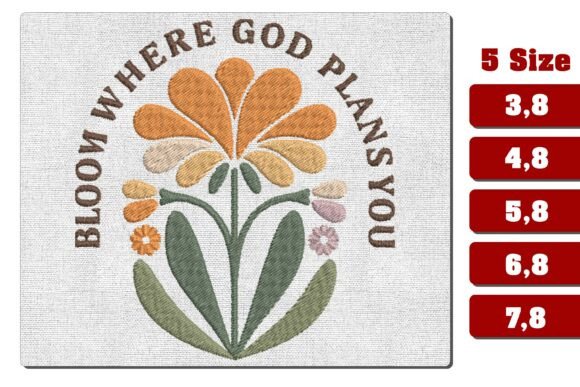
Bloom Where God Plans You Embroidery Review
As a professional embroidery designer who has spent years refining machine embroidery design files for commercial use, I approach every new asset with a critical eye. When reviewing the Bloom Where God Plans You Embroidery Des, my focus shifts immediately from personal decoration to business viability. This specific embroidery file is categorized under Thanksgiving, yet its message carries a timeless quality that extends far beyond a single holiday season. For small business owners, apparel decorators, and Etsy sellers looking to elevate their brand identity, understanding how this design performs in real-world production is essential.
First Impressions: Visual Personality and Brand Fit
The first thing that strikes me about Bloom Where God Plans You Embroidery Des is its inherent warmth and spiritual grounding. In the world of small business merch, designs often lean toward either hyper-modern minimalism or chaotic maximalism. This design finds a sweet spot, offering a rustic yet premium feel that resonates deeply with handmade brands, boutique shops, and creative studios. The typography implied by the phrase suggests a friendly, inviting tone, perfect for businesses that want to project trust and community values.
When I visualize this as a brand identity element, it feels less like a generic seasonal graphic and more like a mission statement stitched into fabric. For a local café, a florist, or a pet brand, this design acts as a subtle nod to faith and resilience without being overly aggressive. It possesses an elegant simplicity that allows it to function as a chest logo accent or a sleeve detail on staff uniforms. The visual weight of the text, combined with the likely floral motifs suggested by the word "Bloom," creates a balanced composition that works well on both light and dark fabrics, provided the thread colors are chosen with care.
Performance Across Commercial Applications
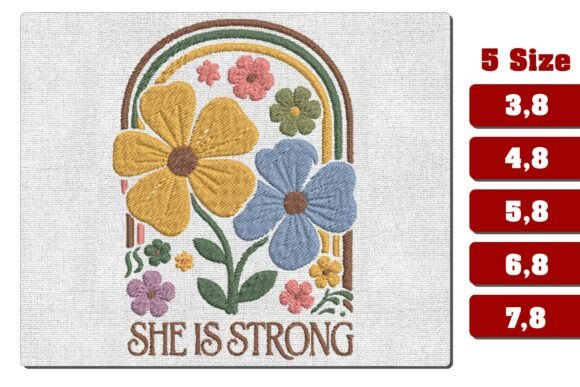
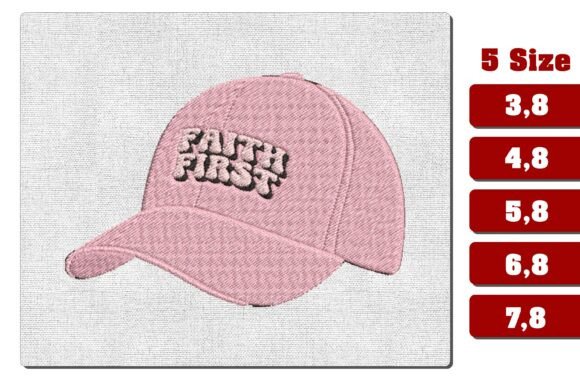
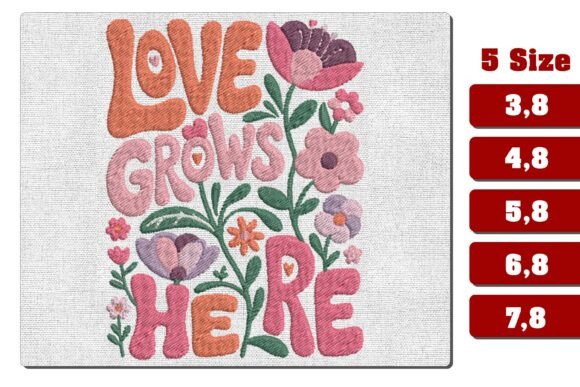
The versatility of Bloom Where God Plans You Embroidery Des is one of its strongest selling points for commercial embroidery projects. The product description notes availability in multiple sizes ranging from 3.8 inches to 7.8 inches. This range is crucial for scaling the design across different product lines. Let's break down how this digital embroidery file performs in specific business scenarios:
- Embroidered Patches: At the 3.8-inch size, this design is ideal for creating detachable patches. These can be sewn onto denim jackets, tote bags, or backpacks as limited-edition merchandise. The smaller scale ensures the details remain crisp, making it a high-value add-on for customers.
- Staff Uniforms and Aprons: For a bakery or boutique, placing this design on apron pockets or work shirts adds a layer of professionalism and personality. It transforms a standard uniform into a branded asset that employees are proud to wear.
- Cap Embroidery: The 4.8-inch and 5.8-inch sizes are perfect for cap fronts. The curved surface of a baseball cap requires a design that doesn't distort when stretched; the layout of this phrase appears robust enough to maintain legibility even on curved surfaces.
- Tote Bag Design: On canvas tote bags, the larger 6.8-inch or 7.8-inch versions allow the design to breathe. This makes the bag a walking billboard for your shop, increasing visibility in public spaces.
- Customer Gifts and Event Merch: During the Thanksgiving season, this design serves as an excellent theme for customer appreciation gifts. Whether printed on a printable mockup for marketing or physically embroidered on a scarf or blanket, it conveys gratitude and goodwill.
For custom apparel creators, the ability to adapt this design to various substrates means you can offer a cohesive line of products. From soft cotton tees to heavy-duty denim, the finished product retains its charm if executed correctly.
Critical Considerations for Production Quality
While Bloom Where God Plans You Embroidery Des looks promising, experienced designers know that not all files perform equally on every machine or fabric. There are specific areas where caution is required to ensure the highest quality output.
Stitch Density and Fabric Texture
One potential challenge with text-heavy designs is stitch density. If the lettering is too dense, it can cause puckering on lightweight fabrics like linen or thin jersey. Before committing to a full production run, always test the design on the actual fabric texture you intend to use. For textured fabrics, such as fleece or heavy twill, you may need to adjust the hoop size or use a heavier stabilizer to prevent the stitches from sinking into the weave.
Small Patch Sizes and Legibility
Although the 3.8-inch size is available, pushing this design to the absolute minimum limit can compromise readability. Tiny lettering often loses definition during the digitizing process or gets lost in the thread bulk. If you plan to use this for very small accents, review the spacing carefully. Ensure that the letters do not merge together, which would ruin the professional look of your design assets.
Color Contrast and Dark Uniforms
When applying this design to dark uniforms, the choice of thread colors becomes critical. A white outline or a contrasting fill color is necessary to make the text pop against black or navy backgrounds. Without sufficient contrast, the message may become indistinguishable, reducing the impact of your branding. Always create a printable mockup with accurate color simulations before sending files to the client for approval.
Strategic Value for Small Business Owners
Incorporating Bloom Where God Plans You Embroidery Des into your product line does more than just add a pretty pattern; it strengthens your connection with your target audience. For handmade brands and crafters, this design signals authenticity. It tells a story of intentionality and faith, which can significantly boost buyer engagement and customer trust.
From a marketing perspective, using this commercial embroidery asset allows you to tap into the emotional resonance of the Thanksgiving category while maintaining relevance year-round. It differentiates your handmade product offerings from mass-produced goods found in big-box stores. Customers are increasingly willing to pay a premium for items that reflect their personal values, and a well-executed embroidered piece serves as a tangible representation of those values.
Practical Designer Notes for Implementation
To get the most out of this embroidery file, follow these practical steps to ensure a flawless result:
- Test in Black and White First: Run a test stitch-out using a single color to check for jump errors, registration issues, and overall balance before investing in expensive threads.
- Verify Hoop Size Compatibility: Confirm that your machine hoops can accommodate the largest size (7.8 inches) if you plan to use it for large totes or blankets. You may need to hoop in sections for larger garments.
- Select the Right Stabilizer: Use a cutaway stabilizer for stretchy fabrics and a tear-away for stable wovens. Proper stabilization is the backbone of a professional finish.
- Review Licensing Terms: Before using this design for small business merch, confirm the commercial licensing agreement. Ensure you have the right to sell finished goods created with this file.
- Create Client Mockups: Present realistic images of the design on your intended products to help clients visualize the final outcome.
By treating Bloom Where God Plans You Embroidery Des as a strategic tool rather than just a decorative element, you can enhance your brand's visual consistency and product value. Whether used on a simple patch or a complex uniform set, this design offers a unique opportunity to blend faith, fashion, and function. With careful planning and attention to detail, it can become a signature piece in your collection, driving sales and fostering a deeper connection with your customers throughout the Thanksgiving season and beyond.