Aloha Pineapple Tropical Embroidery Review
As a professional embroidery designer who has spent years translating digital files into tangible brand assets, I approach every new design with a critical eye. When I first opened the Aloha Pineapple Tropical Embroidery file, my goal wasn't just to see if it looked pretty; I needed to determine if it could withstand the rigors of commercial production for small business merchandise. The Summer category often leans heavily on decorative flair, but for a brand looking to build trust and recognition, the line between a cute craft and a premium product is defined by execution. This review breaks down how this specific tropical Hawaiian art piece performs when applied to branded patches, uniforms, and custom apparel.
First Impressions: Visual Personality and Brand Tone
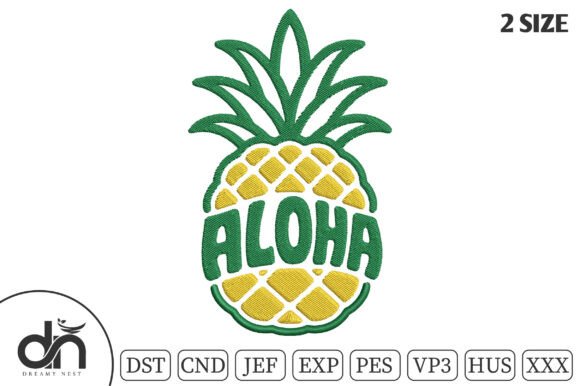
The initial visual impact of the Aloha Pineapple Tropical Embroidery is undeniably bold and welcoming. The pineapple motif is a classic symbol in hospitality and retail, instantly communicating warmth, freshness, and an island vibe. However, in a business context, the design must do more than decorate; it must align with your brand identity. For a boutique café, a handmade soap brand, or a local florist, this design exudes a friendly, approachable energy that can significantly boost customer engagement.
From a technical standpoint, the lines appear clean and the shapes are distinct, which is crucial for machine embroidery. A design that feels too cluttered or overly intricate can lose its definition when stitched onto fabric. The Aloha Pineapple Tropical Embroidery strikes a balance between playful and professional. It avoids the "amateur" look often associated with low-quality digital embroidery files by maintaining clear boundaries between thread colors. This clarity ensures that whether used as a chest logo accent or a large back patch, the finished product looks intentional and high-value.
Performance in Real Business Applications
When evaluating a design for small business merch, I simulate various use cases to ensure versatility. Here is how this design holds up across different product categories:
- Embroidered Patches: The bold outlines of the pineapple make it an excellent candidate for woven or embroidered patches. These can be sewn onto denim jackets, tote bags, or backpacks, serving as a durable marketing tool. The design's shape allows for a clean cut-out, ensuring the edges look sharp even on thick materials.
- Staff Uniforms and Aprons: For a summer-themed bakery or beachside café, placing this design on apron pockets or staff shirts creates immediate visual consistency. An apron embroidery feature like this turns a standard uniform into a branded asset that employees wear with pride.
- Cap Embroidery: The circular or oval nature of many pineapple designs fits well on the front panel of a cap. However, the stitch density must be managed carefully here to prevent puckering on the curved surface of a hat.
- Tote Bag Design: Canvas tote bags are a staple for eco-friendly brands. The Aloha Pineapple Tropical Embroidery adds a tactile, premium feel compared to screen printing. Customers are more likely to carry a bag with a raised, textured design, turning them into walking billboards for your shop.
- Product Packaging Accents: While less common, smaller versions of this design can be embroidered onto fabric gift bags or labels for handmade products, elevating the unboxing experience.
Critical Considerations for Production
Even the best design assets require careful handling during production. As you prepare to use the Aloha Pineapple Tropical Embroidery for your commercial embroidery projects, there are specific areas where caution is necessary to maintain quality.
Size and Detail Constraints
One of the biggest pitfalls in using tropical designs is scaling them too small. If you attempt to use this design as a tiny sleeve detail or a miniature patch, the intricate leaf patterns may blur together. Always check the minimum size requirements for your specific machine. If the details are lost at a small scale, the design will look muddy rather than crisp. For small business owners creating custom apparel, it is vital to test the design at the intended size before committing to a full run.
Fabric Texture and Stabilization
The success of any machine embroidery design depends heavily on the substrate. Textured fabrics like heavy canvas, fleece, or linen can interact unpredictably with high stitch density areas. The pineapple leaves, in particular, might create bulk if not stabilized correctly. Always use a proper stabilizer—cut-away for stretchy knits and tear-away for wovens—to ensure the stitches lay flat. Without adequate support, the design may pucker, ruining the professional finish of your merchandise.
Thread Color Contrast
While the default color palette for this tropical Hawaiian art is vibrant, consider your brand guidelines. On dark uniforms, you may need to adjust the thread colors to ensure visibility. High contrast is key for brand recognition. If the background fabric is navy blue, a light yellow pineapple will pop, but a green one might get lost. Review the thread colors against your actual fabric swatches before starting production.
Impact on Brand Identity and Customer Trust
In the competitive world of Etsy sellers and local boutiques, the quality of your physical goods speaks volumes about your professionalism. Using a well-executed digital embroidery file like the Aloha Pineapple Tropical Embroidery signals to customers that you value quality. A poorly stitched logo can make a brand look cheap, whereas a clean, vibrant design enhances perceived product value.
This design contributes to visual consistency across your product line. Whether it appears on a tote bag, a cap, or a staff shirt, the recurring motif builds brand recognition. Customers begin to associate the tropical aesthetic with your specific business, fostering loyalty. Furthermore, offering items with unique, high-quality embroidery sets you apart from competitors relying solely on generic printed graphics. It transforms a simple item into a collectible piece of handmade product art.
Practical Designer Notes for Implementation
Before you purchase or download this embroidery file for your next collection, follow these practical steps to ensure a successful outcome:
- Test in Black and White: Run a test stitch on scrap fabric using a single thread color. This helps you identify any spacing issues or potential stitching errors without wasting expensive thread.
- Verify Hoop Size: Confirm that the design fits within your machine's hoop. If it requires a larger hoop than you possess, you may need to resize it, which could affect the stitch count and quality.
- Create a Printable Mockup: Before sending files to production, generate a mockup to show clients or stakeholders. This manages expectations regarding the final look and placement.
- Check Commercial Licensing: Ensure that the license terms allow for commercial use. Some digital files are restricted to personal use only. Verify that you have the right to sell items featuring the Aloha Pineapple Tropical Embroidery.
- Compare with Other Assets: Place this design alongside your other brand elements to ensure it complements your existing visual language without clashing.
The Aloha Pineapple Tropical Embroidery offers a fantastic opportunity for small businesses to inject personality and warmth into their merchandise. By respecting the technical limitations of embroidery and focusing on high-quality execution, you can turn this vibrant design into a cornerstone of your brand's visual identity. Whether you are outfitting a team or creating limited-edition gifts, this design proves that thoughtful, well-stitched details make all the difference in the marketplace.